What is in the pack
- Eleven planning templates. The brief, the idea, the station sheet, the rotation plan, the run of show, the crew, the production brief, the budget, the site and safety check, the communication plan, and the debrief and recap.
- One planner workbook. The same templates as tabs in one Excel file: a countdown that sets its own dates from the day of the event, a rotation plan that builds itself from the number of teams, and a budget that adds itself up.
- One pitch deck. Nine slides to get the day approved: what should change, the idea, the day, the money and the decision you need.
Every file comes in English and Arabic. The Word files are for filling in, the PDF files for printing, the Excel workbook for running the plan, and the PowerPoint for presenting it.
How to use the templates
- Start with the brief. Write what people should do differently afterwards before you write a single activity. A meta-analysis of team-building studies found the largest effects for goal setting and role clarification (Klein and colleagues, 2009).
- Give the idea a name. One idea, two to four words, standing on something true about your company.
- Write one station sheet for each game. If the rules do not fit on a page, the game is too complicated for round ten.
- Let the workbook do the arithmetic. Enter the number of teams and the length of a round; the rotation, the times and the countdown fill themselves.
- Walk the site twice. Once to plan, once on the morning.
- Debrief the same day. Ten minutes in teams before the results. Properly run debriefs improved performance by about 20 to 25 percent in a meta-analysis of 46 samples (Tannenbaum and Cerasoli, 2013).
Where the templates come from
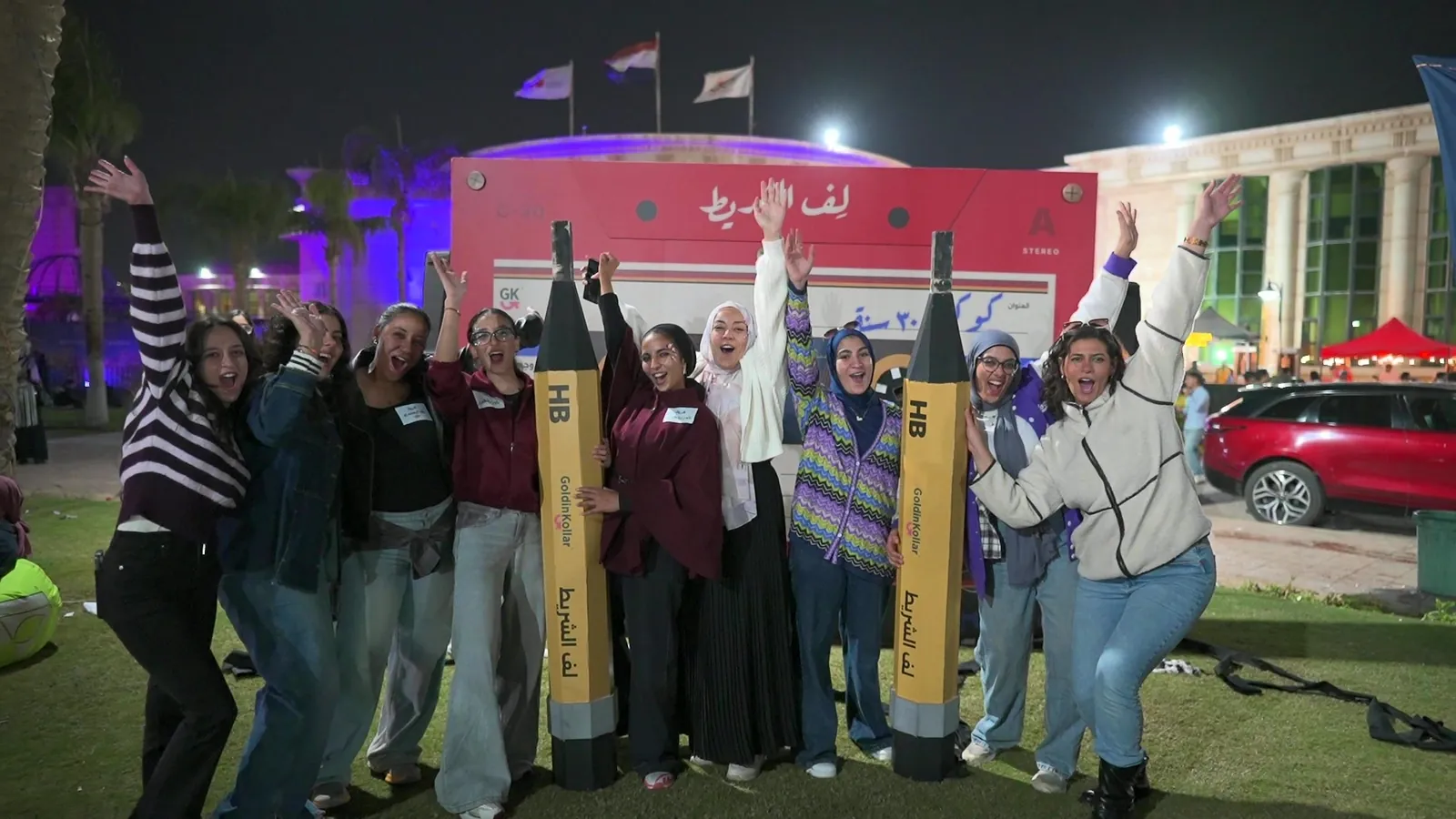
They are the documents we write for our own days: the brief a client signs, the sheet a facilitator carries, the brief a carpenter quotes from, and the page the crew reads at seven in the morning. The worked example in every file is made up. To see a real day planned this way, watch MSA University’s 30th anniversary team day, or browse the work.
For the evidence on what makes a team day change anything, read Does team building actually work?.
Three cautions
- A template is a start, not a plan. A day built from a template alone looks like every other day.
- The budget sheet has no prices in it on purpose. Prices change by city, season and supplier; ask for three quotes on the same production brief.
- Safety is not a formality. The safety lead on your crew list must be able to stop any round without asking anyone.
Sources
- Klein, C., DiazGranados, D., Salas, E. and colleagues (2009), "Does team building work?", Small Group Research 40(2), 181–222. doi.org
- Tannenbaum, S.I. and Cerasoli, C.P. (2013), "Do team and individual debriefs enhance performance? A meta-analysis", Human Factors 55(1), 231–245. doi.org