
The Recognition Game: Transforming Corporate Recognition Through Football’s Winning Playbook
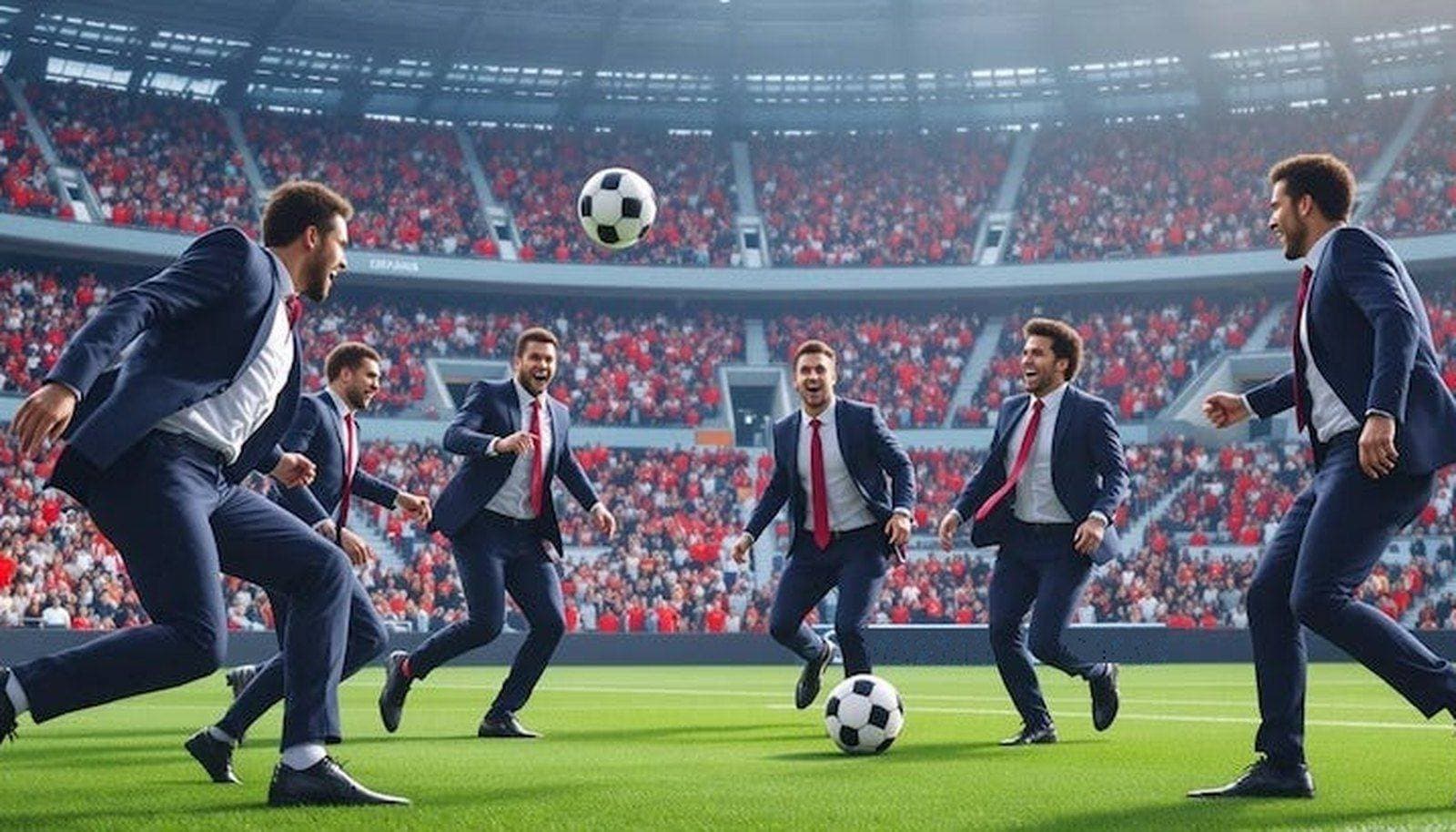
In the world of football, recognition is an art form. When 85,000 fans at Signal Iduna Park chant “Jude Bellingham” in unison, or the Santiago Bernabéu erupts with “Hala Madrid” following Thibaut Courtois’ match-winning save, it’s more than mere celebration — it’s a sophisticated recognition system. This is a system that many Fortune 500 companies, despite their vast resources, struggle to emulate.
The Corporate Recognition Disconnect
A Gallup report indicates that while 81% of leaders say recognition is not a major strategic priority for their organization, 70%+ of employees who have good recognition experiences at work rate their lives more positively overall and are more likely to be “thriving” in their everyday lives compared to those who are not being fully recognized. However, only 34% of U.S. employees feel engaged at work. [1] [2]
This disparity suggests that existing recognition programs may lack strategic intent, often focusing on the ‘what’ and ‘how’ rather than the crucial ‘why.’
Football’s Strategic Recognition Framework
Take FC Barcelona during Pep Guardiola’s tenure. The club’s recognition system was meticulously designed to:
- Reinforce the team’s playing philosophy (“tiki-taka”)
- Encourage youth academy graduates to remain loyal
- Create role models for La Masia academy players
- Build a cohesive team identity that attracted top talent
- Enhance fan engagement and global brand loyalty
When Lionel Messi received the Ballon d’Or while at Barcelona, it wasn’t just personal recognition — it validated the club’s development system, inspired younger players, and strengthened the club’s global brand. Each recognition moment served multiple strategic purposes.
Translating Football’s Blueprint to Business
Organizations should first establish their recognition ‘why’:
- Performance Enhancement: How will recognition drive specific KPIs?
- Talent Retention: Which recognition methods best retain key performers?
- Cultural Reinforcement: What behaviors align with company values?
- Brand Building: How can recognition strengthen external perception?
- Innovation Stimulation: Will recognition encourage creative thinking?
Beyond Monetary Rewards: Diversifying Recognition
While companies worldwide spend approximately $46 billion on employee recognition programs, [3] a significant portion is allocated to monetary rewards. However, over-reliance on financial incentives can create a transactional relationship, potentially diminishing intrinsic motivation.
Football’s Multifaceted Recognition System
Football employs a diverse recognition economy where monetary rewards are just one component:
Symbolic Recognition
- Premier League Golden Boot
- UEFA Team of the Year selection
- Captain’s armband
- Iconic jersey numbers (e.g., Manchester United’s №7)
Experiential Recognition
- Stadium chants
- Fan choreography (e.g., Borussia Dortmund’s Yellow Wall)
- Victory laps
- Public ceremonies
Social Recognition
- Media coverage
- Social media celebrations
- Fan artwork and tributes
- Peer acknowledgment
Legacy Recognition
- Hall of Fame inductions
- Stadium statues
- Named facilities
- Historical records
For instance, Liverpool FC immortalized Kenny Dalglish by naming a stand after him — a gesture that transcends monetary value.
Implementing a Diversified Recognition Portfolio
To emulate this multifaceted approach, organizations can:
- Create Company-Specific Awards: Develop accolades akin to football’s Ballon d’Or to honor top performers.
- Design Meaningful Symbols of Achievement: Introduce badges or titles that signify excellence.
- Establish Recognition Rituals: Implement regular practices that celebrate achievements.
- Develop Public Celebration Platforms: Utilize company meetings or digital channels to acknowledge accomplishments.
Breaking the Top-Down Paradigm
Traditional corporate recognition often flows from management to employees, which can lead to:
- Limited perspective on performance
- Potential bias in recognition
- Missed opportunities for peer motivation
- Disconnection from customer impact
- Reduced authenticity
Football’s 360-Degree Recognition Model
Football implements multi-source recognition:
Fan-Driven Recognition (Customer Equivalent)
- Matchday chants and songs
- Fan-voted Player of the Month awards
- Social media campaigns
- Fan clubs and supporter groups
- Testimonial matches
Peer Recognition
- Player-voted awards
- Captain selection by teammates
- Dressing room culture and celebrations
- Social media support and acknowledgment
Management Recognition
- Team selection
- Tactical trust in crucial
- Public praise in press conferences
- Contract renewals or enhanced responsibilities
External Body Recognition
- FIFA Awards
- League honors
- International achievements
- Media accolades
Club/Organizational Recognition
- Contract improvements
- Ambassador roles
- Leadership positions
- Legacy honors
Corporate Application of the 360-Degree Model
To replicate this in a corporate environment, organizations can:
Customer-Driven Recognition
- Enable client feedback to directly influence recognition decisions.
- Introduce customer-voted awards.
- Share testimonials highlighting employee impact on customers.
- Leverage social media to recognize employee contributions publicly.
Peer Recognition Systems
- Develop real-time platforms for spontaneous acknowledgment.
- Create quarterly peer-voted awards.
- Foster mentorship recognition programs.
- Encourage cross-departmental appreciation to break silos.
Leadership Recognition
- Train managers to offer effective and timely recognition.
- Implement recognition calendars to ensure consistency.
- Develop tailored recognition budgets for teams.
- Celebrate leadership milestones and achievements publicly.
External Recognition
- Nominate employees for industry awards.
- Celebrate professional certifications.
- Promote employee achievements in media outlets.
- Provide opportunities for speaking engagements and professional visibility.
The Timing Factor in Recognition
The Corporate Timing Issue
Corporate recognition often falls into predictable patterns:
- Delayed responses to achievement.
- Annual-only recognition events.
- Lack of spontaneity, reducing authenticity and impact.
Football’s Timing Excellence
Football excels in recognizing achievements at three levels:
Immediate Recognition
- Fan reactions to a critical play.
- Team celebrations after goals.
- Managers applauding from the sidelines.
- Instant social media highlights.
Short-Term Recognition
- Man of the Match awards.
- Weekly team selections.
- Monthly performance honors.
- Media coverage for standout moments.
Long-Term Recognition
- Season awards like the Golden Boot.
- Career achievement celebrations.
- Legacy commemorations such as Hall of Fame inductions.
Corporate Timing Framework
To emulate football’s timing strategies, companies can:
Real-Time Recognition
- Utilize digital tools for instant feedback.
- Recognize achievements in daily stand-ups or team meetings.
- Share customer compliments immediately.
Periodic Recognition
- Introduce weekly or monthly highlights.
- Hold quarterly awards ceremonies.
- Celebrate departmental achievements regularly.
Legacy Recognition
- Organize career milestone celebrations.
- Create long-term development opportunities for exceptional employees.
The Power of Public Recognition
Football’s Public Recognition Platforms
Football amplifies the value of recognition by celebrating in public arenas:
- Stadium Experience: Public address announcements, choreographed celebrations, and trophy presentations.
- Media Platforms: Press conferences, official websites, and social media campaigns.
- Community Engagement: Fan events, charity appearances, and public involvement initiatives.
Corporate Public Recognition Strategy
Physical Spaces
- Establish a “Wall of Fame” in the office.
- Use digital boards to highlight achievements.
- Name meeting rooms or facilities after outstanding employees.
Digital Platforms
- Celebrate successes on internal communication tools.
- Share videos or posts on social media.
- Host virtual ceremonies for remote employees.
External Communication
- Feature employee achievements in industry publications.
- Share recognition stories on the company website.
- Highlight successes in client communications.
Balancing Structure with Spontaneity
A key lesson from football is the balance between structured and organic recognition:
Organic Recognition Examples
- Spontaneous peer celebrations.
- Social media tributes to employees.
- Cultural permission for impromptu acknowledgment.
Structured Recognition Examples
- Regularly scheduled awards ceremonies.
- Career milestone commemorations.
- Quarterly and annual recognition events.
Selectivity: Recognition That Matters
Avoiding Recognition Inflation
Over-inclusion or equal recognition for unequal contributions dilutes impact. Recognition should be selective to maintain its value and motivate excellence.
Football’s Tiered Recognition
Football ensures recognition reflects merit through:
- Elite Awards: Reserved for exceptional talent (e.g., Ballon d’Or).
- Team Awards: Competitive but attainable honors like Player of the Season.
- Role-Specific Recognition: E.g., Golden Glove for goalkeepers.
- Support Staff Acknowledgment: Celebrating behind-the-scenes contributors.
Corporate Selectivity Framework
Tiered Recognition
- Elite honors for top performers.
- Departmental awards for standout contributors.
- Team recognition for collective achievements.
Role-Specific Recognition
- Highlight contributions from critical function specialists.
- Celebrate innovation leaders and operational excellence.
Impact-Based Recognition
- Reward individuals who influence revenue, strategy, culture, or innovation.
Conclusion: The Recognition Revolution
The corporate world can transform employee engagement by adopting football’s sophisticated recognition systems. By combining strategic intent with diverse and timely recognition, businesses can create a culture of excellence and motivation.
Citations
- Gallup’s Employee Engagement Insights: gallup.com
- Forbes on Recognition Program Spending: forbes.com
- GoldinKollar Methodology
First published on Medium, 18 January 2025.